Describe the Diagramming Techniques Commonly Used in Risk Identification
The following are risk identification techniques and considerations. Risk management strategies is a process that begins at the conception of the venture and there are a variety of techniques that organizations will use during the identification process to establish solid risk identification techniques here are a few.

Diagramming Techniques To Identify Risks
6 marks Compare the three types of project risk.
. System or process flowchartsshow how various elements of a system interrelate and the mechanism of causation. Risk Identification Techniques are established methods of analyzing project information and discovering threats and opportunities. Give an example of each.
This tool can be used for identifying areas where there maybe problems and to examine causes of risks. 22 Tools Techniques for Risk Identification 5. Diagramming Techniques are used to identify risks in a project.
This type of diagram is also called the. Cause and effect diagram This diagram is also known as Ishikawa diagram or Fish-bone diagram. The name fishbone diagram is derived from the way that the whole chart looks like a fish skeleton.
Some of the diagramming techniques that are included in PMBOK PMP are Cause and effect diagram System or process flow charts and influence diagrams. It also deals with the causal mechanisms of the risk. Risk management is essentially a process of identifying assessing and treating risk.
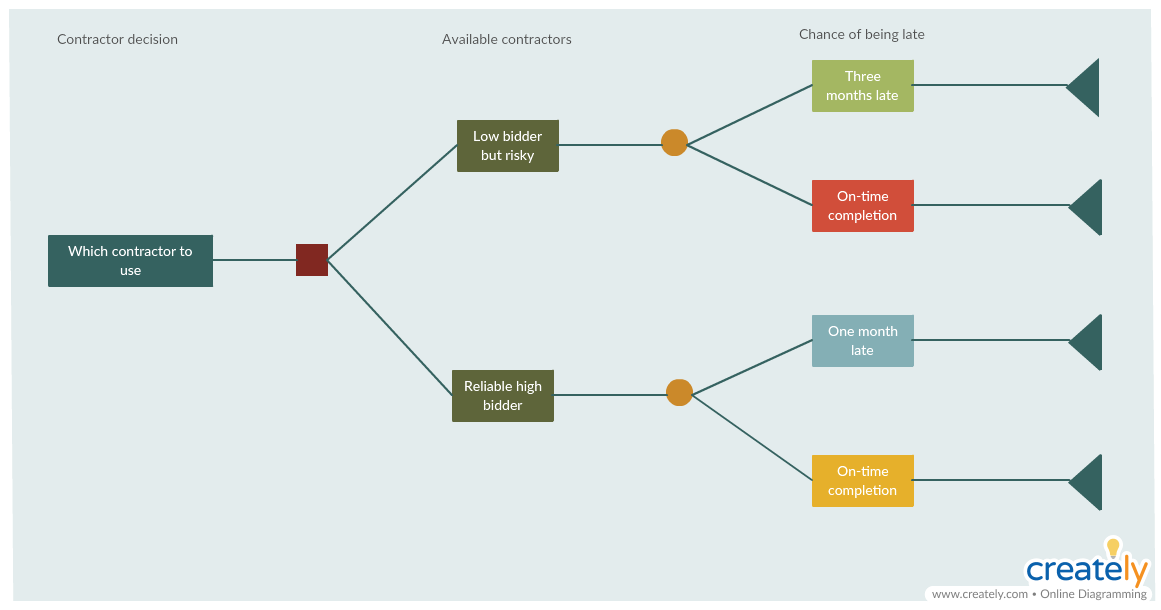
Influence diagrams graphical representation of situations showing the casual influences or relationships among variables and outcomes. Specific risk identification methods will be reviewed in-depth in Chapter 3. It involves brainstorming sessions to obtain a comprehensive list of possible risks.
Known known-unknown and unknown-unknown. Information gathering is the most common method of identifying risk sources. Be sure to document the overall objectives and scope.
Cause and Effect Diagram This diagram is also called Ishikawa chart or Fish-bone graph. Risk identification is the initial and most critical step of the process that involves listing out potential future outcomes that result in losses. Topic 8 Identify and describe three risk identification techniques.
Cause and effect diagrams. Create a reliable and easily referenced risk register. Risk diagramming techniques involve different methods which include the following.
Describe some of the benefits of each technique. Some organizations place a higher priority on risks that are likely to happen soon. ACTIVITY 1 Describe the techniques used to gather information used in project risk management.
The most common pitfall of the risk identification process. There are several basic methods for risk identification. The most popular techniques in Project Risk Management are brainstorming interviews document analysis checklists risk categories root cause analysis assumptions analysis.
The goal of brainstorming is to obtain a comprehensive list of project risks. The cause and effect diagram can be used to explore all the possible or actual causes or inputs that result in a single effect or output. Risk prioritization is generally based on the probability of occurrence and severity of impact of each identified risk.
Executive and senior management have historically preferred to review charts and graphs to get an overall birds eye view of an issue or project phase rather than read through detailed status report pages. Learn the definition and purpose of risk identification and explore common types and examples of. It is referred to as the Ishikawa diagram.
Influence diagramsa graphical representation of a problem showing causal. Diagramming techniques like using Fishbone Diagrams also known as Ishikawa Diagrams are an effective way to identify potential root causes for. Briefly describe them and the.
The risks are identified in broad terms and posted and then the risks characteristics are detailed. Risk diagramming techniques include cause and effect diagrams also known as Ishikawa or fishbone diagrams and are useful for identifying causes of risks. 4 proven methods for risk assessment.
This technique shows how different elements of a particular system relate with one another. This allows stakeholders to understand the information easily. Diagramming Techniques such as Cause-and-Effect Diagrams and Flow Charts are useful to visualize and document risk root causes and other project processes.
Ishikawa Fishbone cause and effects diagrams. 3 marks The text discusses seven main risk response strategies. Diagramming techniques Cause-and-effect diagrams useful for identifying causes of risks.
However it is important to note that you can modify these techniques to fit the situation at hand. 450 words Brainstorming Brainstorming is likely the most common approach to risk identification. Documentation review information gathering checklist and risk catalogs assumption analysis and diagram techniques.
Risk identification is the process of determining possible risks on a project. Cause and effect diagrams. System or process flow charts.
Flow charts can also be used to show how various elements of a system interrelate and the mechanism of causation as can influence diagrams which show causal influences time ordering of events and other. It is referred to as the Ishikawa chart. All of these describe contemporary methods of risk prioritization in project management EXCEPT.
A risk register outlines the risks associated with a particular project before and during the life of a project - and lists the accompanying details of those risks including how likely it is that that risk will occur and the impact ifwhen it does. Describe the diagramming techniques commonly used in risk identification.
11 Effective Risk Management Techniques Creately Blog

Diagramming Techniques To Identify Risks

Diagramming Techniques To Identify Risks

Comments
Post a Comment